
I went a full day without a single grain. I did it without following my own meal plan.
"All grains can increase your blood sugar. Stick with small portions (½ cup per meal) of low-glycemic grains."
Dr. Mark Hyman (Experience Life)
What you'll learn: what I ate on a zero grain day, and what my glucose monitor and scale showed. I'll also argue that one day is a fair way to test a diet you're scared to commit to.
Why one day, and why grains
Look at the popular diets. Paleo, keto, Whole30, primal, and carnivore don't agree on much. But they all cut grains, or come close.
Then I watched Dr. Mark Hyman say to eat grains sparingly. That was the nudge.
Here's my problem. I'm bad at sticking with diets long term.
So I set the bar where I couldn't miss it: one day. No bread, no rice, no roti, no oats, no cereal. For 24 hours.
A zero grain diet for a month sounds like a punishment. For a day, it's a test.
Action item: Pick one food group you've wondered about. Give it one day off, not thirty.
So I wrote a plan.
The plan, and what I ate instead
The plan looked tidy on paper.
Breakfast: avocado protein shake
Lunch: eggs and cheese cubes
Dinner: a soup from Prolon, a boxed fasting kit, and maybe fish
Snacks: fruit and nuts
Did I stick to that menu? No. Did I stay grain-free all day? Yes.
Lunch and dinner were kala chana curry and paneer bhurji. Kala chana is black chickpeas. Paneer bhurji is scrambled Indian cheese with spices.
Snacks were coffee and edamame, which are young soybeans. I had some avocado and eggs too.
So the menu changed. The rule didn't.
But here's what I noticed: I still ate zero grains. Dishes like these usually come with rice or roti. I left that part off the plate and kept the rest.
I count that as a win. A zero grain day doesn't need special food.
The surprise was hunger. I didn't feel all that hungry. My GLP-1 probably gets some of the credit for that.
Action item: Before you copy a diet's meal plan, look at your own plate. Ask what you could leave off, not what you'd have to add.
One honest note. Chickpeas and soybeans are legumes, and paneer is dairy. Strict paleo and Whole30 cut those too. So my day was grain-free, not paleo.
Now for the numbers.
What my glucose monitor showed
I wear a glucose monitor. It tracks my blood sugar all day.
On my zero grain day, the line stayed flat. By 8 p.m. it read 108, and it had sat inside my target range the whole day. It was steadier than my usual days.
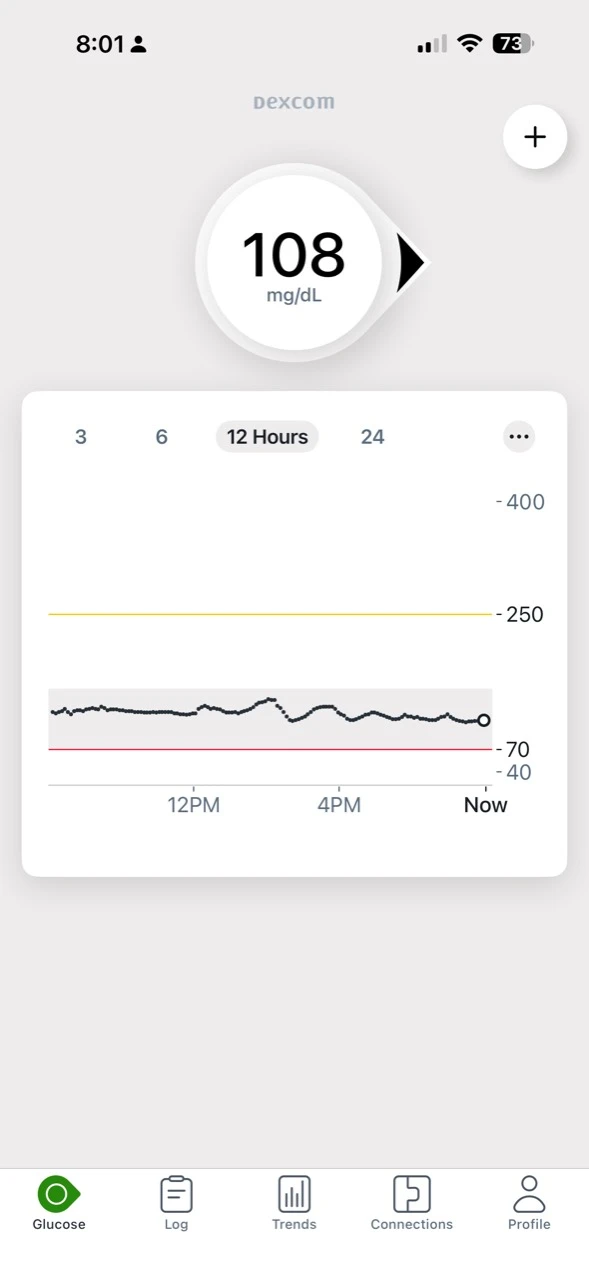
The next morning it read 122, with a flat line overnight.
My guess is simple. No grains, so no grain spikes.
It's still a guess. I'm on a GLP-1, a weight-loss and blood sugar drug, and it steadies blood sugar by itself. And this was one day, with no matching rice day to compare.
Action item: If you have a glucose monitor, test one meal both ways. Eat it with rice one day and without the next.
The scale had news too.
What the scale showed
The morning of my test, I weighed 253.8 pounds. The next morning, I weighed 252.8.
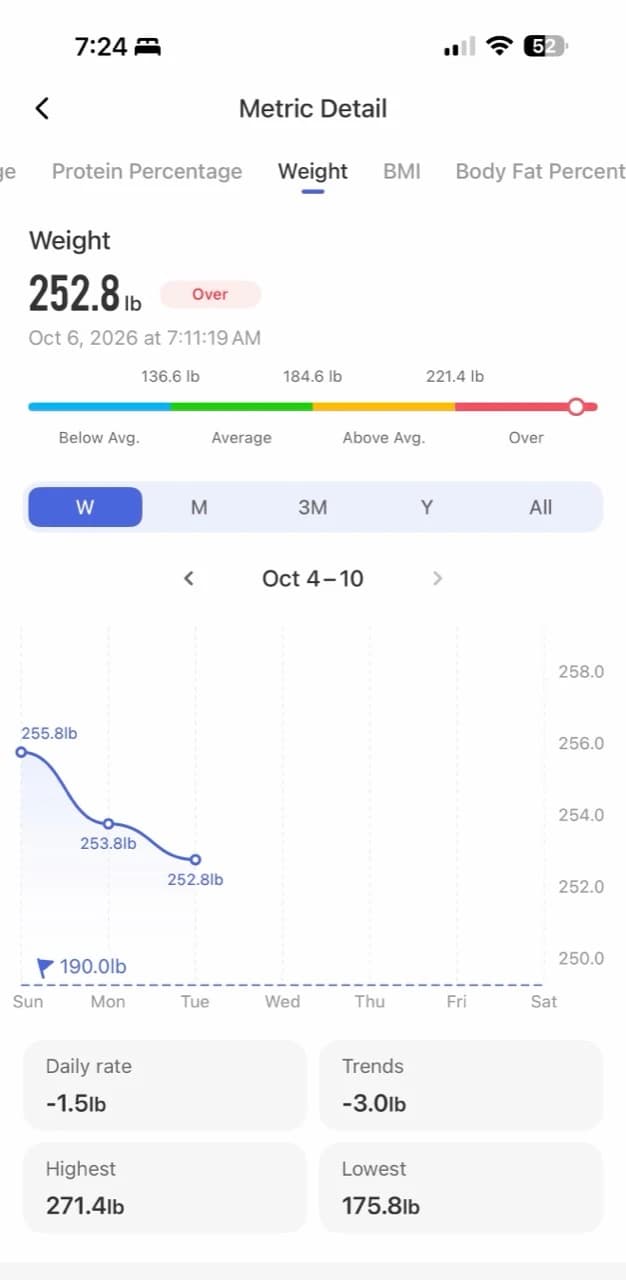
One pound down. Should I be excited?
Not much. A single pound in a single day is mostly water, not fat. Body weight swings a pound or two from day to day, and most of that is water.
My weight was already drifting down that week, too. I'd weighed 255.8 two days before.
So I'm calling it a nice surprise, not a result.
Action item: Never judge a diet by one morning on the scale. Look at the trend over two weeks.
So should you quit grains? Here's where I have to be fair.
What the science says about grains
Hyman's case is about blood sugar. He says to keep grains to half a cup per meal and pick slow-burning ones (Experience Life).
But the bigger studies point the other way for whole grains.
A 2016 review in the BMJ pooled 45 studies. For every 90 grams of whole grains eaten a day, the risk of heart disease was 16 percent lower (TCTMD, the BMJ paper). That's about three servings.
Those studies watch people over time. They can't prove grains were the cause.
Here's my take. The fight isn't grains against no grains. It's whole grains against white, refined ones. Brown rice and oats are not a doughnut.
I don't think one zero grain day proves Hyman right. It does show that a day without grains is easy to build from normal food.
Action item: For your next grain, swap one white one for a whole one. Brown rice for white is the easy start.
What I'd tell you to try
Here's a one-day test you can copy.
Pick a normal day, not a party or a trip.
Eat your usual meals. Leave off the rice, bread, roti, and pasta.
Fill the gap with beans, eggs, vegetables, or paneer.
Write down how hungry you feel at 4 p.m.
Weigh in the next morning, then ignore the number.
That's it. No shopping list and no new recipes.
Action item: Put "zero grain day" on your calendar this week. One day, then decide.
The 5-Minute Version
I can't stick with long diets, so I tried zero grains for one day.
I stayed grain-free the whole day, but not with the menu I'd planned.
My zero grain menu: chickpea curry, paneer, eggs, avocado, and edamame.
I didn't feel that hungry, and my glucose line was steadier than usual. I'm on a GLP-1, so that's not proof.
I was one pound lighter the next morning. That's mostly water.
Big studies link whole grains to less heart disease. White grains are the ones to cut.
Conclusion
I didn't become a grain-free person. I did finish one full zero grain day.
The win wasn't the pound. It was finishing a diet for once. One day was short enough that I couldn't quit halfway.
I don't think I need to quit grains for good. I do think the rice on the plate deserves a second look.
If you always fail at diets, shrink the diet. Try one day.
What would you give up for 24 hours?
This is one person's experience, not medical advice. Talk to your doctor before you change your diet, above all if you have diabetes or take medication.
 MealCoach